
DEVELOPMENT OF AN INTERFACE BASED ON
AUTOBIOGRAPHICAL LOGIC
retrospective / prospective logic – creation of meaning – anumana
The following practical account aims to critically examine the significance and impact of various technological ‘interfaces’ — and the data they generate — as instruments for producing knowledge. To develop the concept of ‘interface’, I will expose an argument bound to the biographical method.
I share the view that biographical texts “contribute to a broader cultural production of meaning by presenting exemplary lives and framing individual experiences as miniature models of larger narratives. Biographies create ‘prototypes’ of social experience and historical understanding” (1). The sociologist Pierre Bourdieu describes the logic:
“It is reasonable to assume that behind every autobiographical narrative lies, at least in part, an intention to create meaning—to explain, to impose a logic that is both retrospective and prospective. This involves seeking consistency and continuity, often by establishing intelligible relationships such as cause and effect between successive states, which are thereby elevated to stages in a perceived necessary development.”(2)
However, the title of my text refers to ‘an interface,’ not to the author or her name. In fact, the subject here is not intended as an autobiography in the traditional sense. Rather, I apply the autobiographical method to a specific area of my life practice — namely, the development of an interface, along with its underlying theoretical and practical justification. Ultimately, what unfolds is a description of this interface and its evolution, which might be aligned with one of the types of biographical construction identified by Mikhail Bakhtin: the energetic type. “It is based on the Aristotelian concept of energy. It is not the state, but the action, the active force (“energy”) that constitutes the fullness of being and the essence of man”(3).
The specific triggers, motivations, and fields of energy from my life that shaped my perspective on technological interfaces in relation to knowledge generation – leading to the development of an alternative ‘interface’ – will be presented and discussed in their full scope. In most cases, the accompanying photographs are not intended as mere illustrations, but as documentary evidence that supports the corresponding accounts.
For purely practical reasons, however, I will assign a proper name to the interface discussed here, so that I may refer to it simply as anumana in what follows, rather than repeatedly using the phrase ‘the interface to be described here’.
Anumana is named after N.C. Panda, who, in his chapter “Yoga Psychology”, describes it as a form of knowledge acquisition that arises through inference: “We also obtain knowledge through inference (anumana). Every incidence of fire is accompanied with smoke. Even if we do not see the fire, we infer it by observing the smoke.”(4)
I will begin with a chronological account of the movements that have shaped my personal ‘path of a seeker’ thus far. The term ‘path of a seeker’ refers to an early Platonic model, which Mikhail Bakhtin describes as follows: “The seeker passes through several philosophical schools and subjects them to an examination; the temporal subdivision of the path depends on the seeker’s works“. (5)
EARLY YEARS: EXPERIENCING DIFFERENCE AND GAPS
interface – difference – interdisciplinary – transcultural philosophy
To begin with, it is worth noting that we, as individuals, turn to interfaces because of a perceived or actual difference — whether between systems, organisms, or tools. Because of a gap, a sense of separation that prompts the need to establish connection or reconnection. Without elaborating in detail, I leave it to the reader to consider the relevance of three formative experiences of difference in my early years, and how they may have shaped the forces driving my research. At the very least, these experiences surface as material throughout much of my work. First, I grew up in Germany as the daughter of a German mother and an Indian father. Second, following a family move and change of school, I was one of only two girls in an otherwise all-boys grammar school, until it opened to girls in the sixth form. And third, I chose to study both philosophy and biology at a time when interdisciplinarity was still largely unwelcome within academic departments.
Nancy K. Miller, in Gender and the Subjects of Autobiography, argues that a defining feature of women’s autobiographies is the development of identity ‘through otherness’ (6). She cites Susan Stanford Friedman, who observes that “female writers tend not only to pin the self of their autobiographical project to a single, selected Other, but also – and simultaneously – to the collective experience of women as gendered subjects in a variety of social contexts” (7). This is also linked to Stephen Butterfield’s description of autobiographies from people of color, namely: “The self is conceived as a member of an oppressed social group, with ties and responsibilities to other members”(8).
My need for an interface may well stem from such two “gaps” (related to gender and colour), but I want to affirm, as truthfully as I can, that I have never experienced these constellations as traumatic. Rather, I have come to regard them as sources of incentive and driving energy. In encountering “foreign culture” I felt compelled — as I will show — to find ways of sharing it with those around me. Regarding the “gender gap”, which was clearly evident in German universities in the 1980s, I consistently focused on “taking care of the matter” and simply disregarded gender-based hierarchies, which I considered meaningless (9). Thus, working and living as a freelance artist and private scholar became, in many ways, the natural course for me.
The developmental history of anumana unfolds through various mind-openers, in Filliou’s sense. “Mind-opening goes on every day of your life”, writes the artist Filliou (10), referring to surprising experiences and observations that shift our perceptions in unexpected ways. This element of unpredictability, which calls for unplanned developmental steps, forms a significant part of the evolution of anumana. This way, I describe it in the sense of what Bourdieu calls retrospective logic: only in hindsight do these experiences reveal themselves as meaningful development steps. It is for this reason that I adopt the term mind-opener here.
A first mind-opener on the path toward anumana was my preparation for the final thesis of my first degree, titled Die Wissenschaftstheoretische Begründung der Biologie bei Jakob Friedrich Fries (The Scientific Theoretical Justification of Biology as Proposed by Jakob Friedrich Fries), under the supervision of Prof. Lutz Geldsetzer at the University of Düsseldorf. This was my very first encounter with a fundamental, well-argued critique of the axioms of the natural sciences and with a deeper clarification of the concept of “knowledge”. My specialisation in physiology and genetics during my biology studies stemmed from a desire to understand the world, the universe and human life. The same impulse guided my choice to pursue epistemology and ontology as part of my philosophy degree — and even earlier, my decision to study both. The relevance of my work on Fries, both for the topic at hand and for my life more broadly, has not been exhausted even forty years later. Prof. Geldsetzer captured his position impressively:
“Fries (…) founded the realist ontology of modern natural science and clarified the principles on which it actually rests. And if one looks with an unbiased eye at today’s natural-scientific discourse, one might well admit that the intensity of belief in the reality of the external world among established natural scientists far exceeds earlier beliefs in the reality of ghosts and spirits.”(11)
Interestingly, my connection with Prof. Geldsetzer led to a second mind-opener after I completed my first degree. As a graduation gift, my parents made it possible for me to spend a year studying in Madras, India — something I had wished for deeply. My plan was to explore Indian culture and art while also beginning research for a doctoral thesis. Prof. Geldsetzer accepted me as a doctoral student and tasked me with researching “the historiography of philosophy in India”.
After considerable effort to secure the expert opinions and certified explanatory translations of my academic certificates required by the University of Madras, I was finally admitted as a student and able to present my research topic to a professor of philosophy, hoping to gain his support in sourcing materials (Fig. 1). To my dismay, I discovered that while I had been awarded a university degree in philosophy, it carried no mention of “Western philosophy”. The professor, therefore, not only criticised my lack of familiarity with the subjects taught in his faculty but also pointed out that “historiography of philosophy” was not recognised as a discipline within Indian philosophy, and beyond that, he questioned the value such research could have at all.
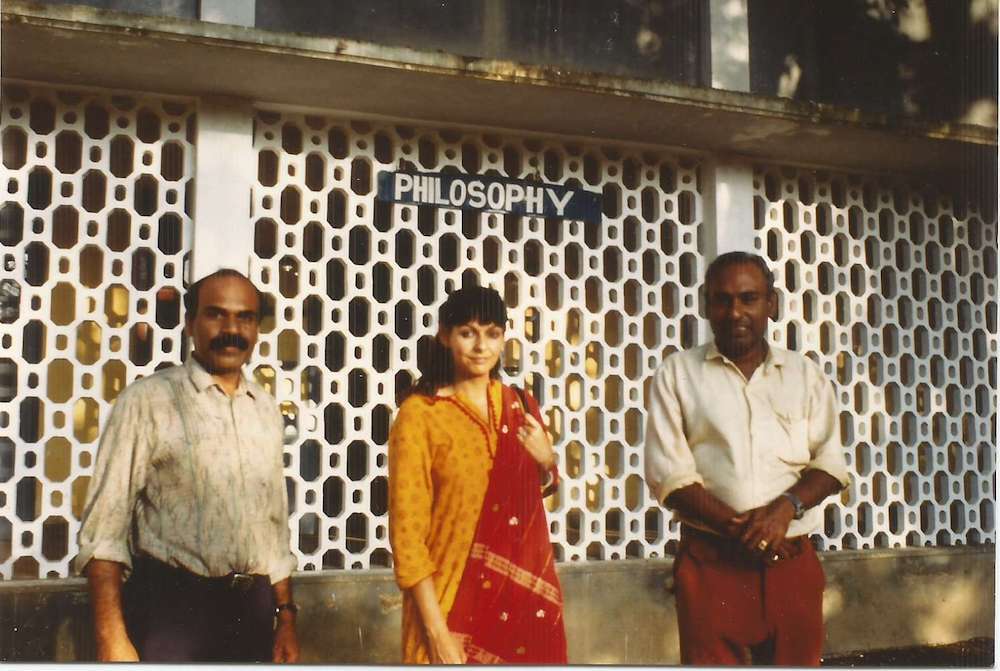
Figure 1: The author – Rajele Jain – at Madras University in 1984.
I remember writing a rather vehement letter to Prof. Geldsetzer, accusing him of having told us only ‘half the truth’ when he delivered his lectures on philosophy in Düsseldorf (12). Today, of course, I recognise that this situation could have been turned into an interesting research topic — exploring the meaning of the historiography of philosophy within a tradition of thought that conceives of eternity and infinite cycles. But forty years ago, my respect for academic authority was too great for me to consider developing a topic from such a position of negation.
Thus, my two previous foundations for generating knowledge — natural science and philosophy, that is, academic work — had been shaken, creating a rift through which new ideas and possibilities could flow.
STUDY YEARS: TRYING TO SEE THE OTHER SIDE
resonance – immateriality – performance – emotions – breathing – meditation – masters
In India, I found myself able to question almost all my previous certainties. I say “able to”, rather than “forced to”, because nothing I experienced felt truly foreign. Behind every sensory experience lay a theory unknown to me — the meaning of sound and music; of taste, both in food and in colours and emotions; of smell and breathing; of movement, performance, and communication; of bodily hygiene and rituals; and even of humour, emotions, Vedic logic, knowledge, consciousness, and higher states of awareness. Above all, there was the capacity to think and to coexist with impossibilities.
Today, I can say that I resonated deeply with Indian culture and, in that context, discovered for myself the meaning of immateriality, avatars, mantras, embodiment, frequencies, and oscillations — at a time when the first signs of electronic networks and digital syntheses were beginning to emerge in the West and to extend beyond military research. It was 1984.
I spent a year:
- Immersing myself in the basics of Sanskrit, the primordial language (13);
- Studying South Indian classical dance, Bharatanatyam, with Shyamala, a direct successor of the renowned performer Balasaraswati (1918–1984);
- Learning yoga at the institute of Krishnamacharya (Tirumala Krishnamacharya, 1888–1989);
- Undertaking Vipassana meditation in Igatpuri with S. N. Goenka (Satya Narayana Goenka, 1924–2013).
- I also spent three months on the legendary grounds of the Theosophical Society in Adyar (then Madras, now Chennai);
- And witnessed the premiere of Angika, a dance choreography by Chandralekha Prabhudas Patel (1928–2006), in Bombay.
These experiences helped shape the formation of anumana as explained ahead.
The encounter with Sanskrit and the theory of mantras gave anumana its purpose and central theme: to become an interface that mediates on the fundamental question: “what does the liberated being know, and how does it say?” This question, placed by Anjali Sriram as a guiding key above the mantra ETAT SAMAGAYAN (14), demands reflection on every word: “what” — what truth is at stake; “know” — what does knowledge mean; “the liberated” — what it means to be free; “being” — who can hold knowledge; “how does it say” — what forms of communication are possible; “say” — what is speech, what is sound.
The classical South Indian dance Bharatanatyam taught me that performance can be a medium — a way for the dancer to channel what cannot be expressed in words to the audience. Between 2008 and 2012, I created a film in the genre of “creative documentary”, presenting the theory and practice of this form of communication. The full 98-minute film, titled The Nine Movements of the Eyelid, is available to view on Vimeo.
Understanding and using the power of emotions became essential for shaping anumana. In their book Natya Yoga (15), Anjali and R. Sriram describe the epistemological foundations of Indian performance art and spiritual growth — in essence, the foundations of human life. Their methods show how to create the necessary distance between the observer and the observed, without which unbiased observation is impossible.
Krishnamacharya’s yoga practice emphasised breathing, the individuality of each practitioner (reflected in one-on-one lessons instead of group classes), and the importance of studying yoga philosophy alongside physical practice (16). From this, I learned a lesson that has remained crucial: there is no substitute for regular, long-term practice. As technology increasingly promises shortcuts to “self-optimisation”, this truth seems more relevant than ever. By 2025, I will have practised daily for forty-one years. This deep, embodied experience of the physiological effects of practice on cognitive functions continues to inform how I conceptualise anumana as an interface.
Meditation added another dimension. The technique of occupying the “monkey mind” (17) so that it no longer disrupts deeper concentration is now widely referenced in research in quantum biology and medicine. My first experience at the Vipassana Center in Igatpuri — then still isolated in the mountains, with simple thatched huts for accommodation — was profoundly new for someone raised in the West. Spending ten days without speaking, reading, writing, or communicating in any other way opened up a space for “something different,” for “something new”. The structured daily routine, the special food, and the long hours of concentrated practice left deep imprints, enabling what we now call “embodied experiences”, memories that can be recalled and reactivated. For anumana, even in its early stages, these possibilities cannot be ignored if it is to succeed.
Equally important was my stay at the Theosophical Society in Madras (see. Fig.2). Alongside the knowledge gained from lectures and conversations, I witnessed how the physical and ecological environment, combined with the daily physical and spiritual practices of everyone there, and a shared awareness of the need for silence and peace, deeply shaped research and reflection. At that time — forty years ago — it seemed to me that the so-called ashrams (18) of India were valid alternatives to Western scientific research institutes. Like any faculty, an ashram could have a “dean”, here called a “guru”, who guided the direction and often the methods of research. But in the Indian gurukulam, teaching methods are entirely different, built upon fundamentally different assumptions about how knowledge is transferred. The student, for example, chooses the guru and determines whether there is a resonance strong enough to allow the reception of knowledge. Similarly, the guru’s authority is not institutionally granted but validated by those who come to learn — guided by principles set out in detail in the Guru Gita (19). These guidelines describe an effective teaching–learning dynamic aimed at understanding life itself.

Figure 2: The author Rajele Jain at Theosophical Society in Adyar, Chennai, 1984.
For anumana, this experience has become one of its cornerstones. The ideas of “mastery” and of cultivating a balanced teacher–student relationship are central to how the interface is envisioned as a medium for knowledge creation. I will discuss this further, ahead.
The world premiere of Angika — a choreography by the avant-garde and influential Indian dancer, author, dramaturge, visual artist and activist Chandralekha — in Bombay in 1985, revealed to me the profound power and intelligence of Indian performance art. In the Natyashastra, the foundational theoretical text of Indian performance art (20), every detail is explained — including the dramaturgical tools through which a viewer can be guided toward the intended state: the capacity to acquire knowledge. One could call this interface art, but in relation to the Natyashastra, it might be even more accurate to describe it as interface science. Within its pages, one finds the psychological, aesthetic, physiological and epistemological insights that form the basis of this process.
Long before the term ‘artistic research’ gained attraction in the West — and before the aesthetic research experiments of the 1960s and 1970s (21) were revisited, often without explicit acknowledgment — anumana had already embraced this approach: conducting research through artistic methods. The aforementioned artist book by Robert Filliou, Lehren und Lernen als Aufführungskünste (Teaching and Learning as Performing Arts), published in 1970, can certainly be considered its starting point. While the precise definition of this method cannot be laid out here, I have addressed it in detail in my dissertation (22).
In summary, these are the aspects and findings that can be integrated into the development of anumana to date:
“Knowledge”, as understood or sought in this context, cannot be attained through logical language alone.
Fundamental human emotions must be acknowledged, worked with, and understood in terms of their effects on cognitive processes.
Physiological conditions — both individual and environmental — must be considered.
Regular and long-term practice is essential.
The involvement of masters is helpful if not indispensable.
A teacher–student dynamic that unites both parties in a research process must be established.
Experimentation, performance, and the creation of specific environments function as artistic methods of research.
RESEARCH YEARS: FINDING RELATIONS
art – pioneering – computing – criticism of knowledge – avantgarde – media competence – interactivity – knowledge generation – experimental research
Back in Germany, I developed a deep interest in art and artists. While looking for income, I also encountered the first personal computers, demonstrating ICL machines at a Düsseldorf computer fair—devices that would soon be sold to ordinary households. There was no graphical user interface yet, nor any networking, but these “calculating machines” already exerted a fascination that stayed with me.
For anumana, it matters that I experienced this pioneering arc first-hand: from amber-yellow or green text on dark screens inside beige boxes, to the first Apple computers with black text on light backgrounds; from early vector strokes to colour graphics; teletext as a forerunner of websites and email; modems linking universities (a precursor to the internet); the first scanners; the first digital audio, video, and moving-image files; HyperCard enabling interactivity and non-linear storytelling; hard disks replacing floppy disks; CD burners for home use; the first digital video-editing tools; image-manipulation software; early 3D construction programs (one even named World Construction Set); video projectors; DVD burners; a visit to the Fraunhofer Institute’s CAVE for virtual reality; an early video conference at SONY in Cologne with MIT Boston; text-based internet exchange among a handful of institutions; and, finally, the graphical World Wide Web — for those with a personal computer, otherwise via internet cafés.
I used and experimented with all these technologies (23), both in my artistic practice and to make a living. I taught myself because—apart from the manuals—there were no teachers for tools that were brand new and constantly evolving.
During those years, Fries’ insight into the limitations of our sensory perception was confirmed for me in practice through my collaboration with the experimental filmmaker Werner Nekes — quite literally “brought before my eyes”. Nekes, a pioneer of experimental film art, was also a passionate collector of objects, references, and research materials on the history of optical media. His legendary collection, unmatched worldwide in its scope and diversity, was built over decades of visits to flea markets, auctions, and meetings with inventors and historians.
In his film series Media Magica (1995–1997), Nekes demonstrated many — though not all — of the principles through which our sensory perception can be guided or deceived. His deep knowledge of the predecessors of today’s media, as well as of innovative concepts that had never been realised, was truly unique.
From him, I learned the importance of archives — of understanding the history of the tools and media we work and live with. Only through such understanding can we criticise, improve, or propose alternatives. Nekes applied this principle to film: he exposed the technical illusions of the medium and questioned its production conditions. By co-founding a free filmmakers’ cooperative, he worked to democratise access to what had once been prohibitively expensive production tools. Eventually, one might say, “once it had all been done”, he shifted focus, turning his attention to the prehistory of film through his collection, so that others could learn — and avoid “reinventing the wheel”.
The artist and aesthetician Bazon Brock has made significant observations about the concept of the avant-garde, critically challenging today’s obsession with the pursuit of the completely “new”, whether in art or in science. He writes:
“In truth, the question has always been how the present can relate to its past and how the new can be reconciled with the old. In a sense, the emergence of the new is inevitable; it does not need to be deliberately or intentionally brought into the world. Even in the most radical attempts to keep traditions constant, the new inevitably arises — if only because human language rarely allows for the unambiguous transmission of meaning, even when such clarity is intended.”(24)
I introduced Werner Nekes to the video format and later to digital image processing, whose technical possibilities he was eager to explore in depth. It was also Nekes who recommended me for postgraduate studies at the newly founded Academy for Media Arts Cologne. The academy’s pioneering work lay not only in its focus on new media but also in its quasi-revolutionary, emancipatory stance: that artists, designers, and researchers should have access to the same cutting-edge technologies used by commercial enterprises to shape the media landscape. This approach ensured that the development of these media and their products would not remain the exclusive domain of financially powerful stakeholders and advertising agencies. In other words, it created the conditions for critical engagement and genuine media literacy.
In the first semesters (beginning in 1990), all twenty-five students and roughly twenty professors were swept into an understandable euphoria by the “unimagined possibilities” that these advanced technologies seemed to promise. It felt as if the ultimate interface had arrived — a space where everything could be connected to everything else, where every sensory experience could be expressed and integrated, where the world’s knowledge could be made accessible to all, where alternative realities could be constructed and tested, where digital alchemy could take place. Any image that could be imagined could now be created, just as any sound, film, spatial environment, or “virtual reality” could be brought to life.
Video artists approached the unique qualities of their medium much like experimental filmmakers before them, exploring the simultaneity of recording sound and image, and probing the electronic conditions — feedback, tape wear, and distortion — until, here too, it felt as though “everything had been done.”
During this period, Nekes realised one of his long-held dreams: to make painted images move. For his film Der Tag des Malers (The Painter’s Day, see Fig. 3), I used Photoshop filters within the video animation programme Adobe After Effects, a process so computationally demanding that rendering took several weeks at the time. When the resulting video material was transferred to exposed film and presented to film audiences and curators — many of whom had yet to encounter these emerging image-processing possibilities — it led to the film’s selection for screening at the 54th Mostra Internazionale d’Arte Cinematografica in Venice (Fig. 4).

Figure 3: Poster from Der Tag Des Malers, the film by Werner Nekes.

Figure 4: Text in catalogue of the 54th Mostra Internazionale D’Arte Cinematografica in Venice.
Such was the fascination with digitally generated images — these “new” images. Television audiences, too, were captivated, particularly by the emerging aesthetics of MTV videos. The sensory overload of rapid cuts, garish colours, and virtual “dream” scenarios — as unnatural and exaggerated in their artificiality as they were enticing to viewers accustomed to conventional television imagery — drove rapidly shifting aesthetic trends. These trends were shaped largely by technological developments rather than by the intentions of producers. Form often became more compelling than the content it conveyed.
Following the pioneering years of film and video artists, it fell to media artists to explore, interrogate, and critique their tools through their work. Yet, for some time, there was a noticeable gap between those theorising about technological futures and those already experimenting, almost “virtuosically,” with these new tools. Media philosophers, technologists, and artists (25) often presented their ideas using overhead projectors, printed handouts, or, at best, VHS recordings — an approach that sometimes created striking contrasts with the innovative concepts they were discussing.
Video 1: This short video clip reveals the spirit of optimism that the idea of digital media and its possibilities have sparked in the early 1990s: Peter Weibel at KHM in 1990, recorded and edited by Rajele Jain.
A pioneering spirit fostered bold visions, and the artists, artistic technologists, and media philosophers of the time were deeply invested in the idea of improving the world through greater knowledge — both for all and by all.
In this atmosphere of optimism and exploration, anumana slowly began to take shape. Concepts such as immateriality, network, avatar, interconnectivity, virtual reality and global civilisation resonated strongly with ideas from Indian philosophy. Driven by this connection, I travelled to India once again to support the development of my final installation project at the KHM. This time, I would focus on works and pioneers who were already on their way to bridge Indian and European knowledge, while making comparisons and developing fusions, even. I interviewed Raja Deekshitar, the head priest of the historic Chidambaram temple, exploring perspectives on concepts such as…
Interactivity Three-Dimensionality Legible City Virtual Space Trompe L’oeil Virtual Reality Interface Art Software Video Disk Film Future Vision Interactive Media Network Tree Hypertext Navigation Cluster Strings Museum Network Layering Museum Image Reactor Image Flow Space Cybernetics Television Digital Images High Definition TV Computer Animation Technology Zapping Media Politics Machine Telematics Scanning Spatial Image Immateriality Simulation Cyberspace Visual Language Global Information Society Reality Industry Nonsense Machine Computer Information Aesthetics Visual Communication Information Fractal Mandelbrot Chaos Research Mathematics Networking Informatics Interdisciplinarity Individuality Media Imitation Video Transformation Architecture Computer Graphics Memory Robot Mass Media Time Sign Interactive Art Feedback Science Economy Technology Stereoscopy Holography Laser History Movement Music Video Creativity Kinetic Arts Interference Culture Design Print Artificial life Imagination Intersubjectivity Visualisation
His responses revealed many links between ancient philosophical frameworks and the rapidly emerging language of digital culture.

Figure 5: The author interviewing Raja Deekshitar, head of priests of Chidambaram temple, India 1993.
Due to time constraints, I was unable to visit Dr. Nrusingh Charan Panda, the author of Maya in Physics, whose introduction I had read as a kind of return to Fries’ ideas:
“Does the quantum physicist really work on empirical entities that can be seen, heard, smelt, touched and tasted? If he can be a mystic to explain the empirical phenomena, why is he afraid of metaphysics to explain the totally?”(26)
But before leaving India (in the days before email correspondence, in 1992) I wrote to Dr. Panda, inviting him to participate in my project. Figure 6 shows his reply:

Figure 6: Telefax by Dr. Nrusingh Charan Panda from 18.6.1993.
All Ways – Saraswati and Strange Attractors (Cologne, 1993) became an extensive spatial installation. It encompassed the KHM computer laboratory —housed in a historic building with columns — along with two adjoining rooms and their users, whom I declared to be “temples” (27). By layering a different level of meaning onto an everyday situation, I reframed the scene: the computer workers, sitting motionless before their shimmering monitors, appeared in this context as worshippers of flickering light and immaterial promise – see Fig. 7.
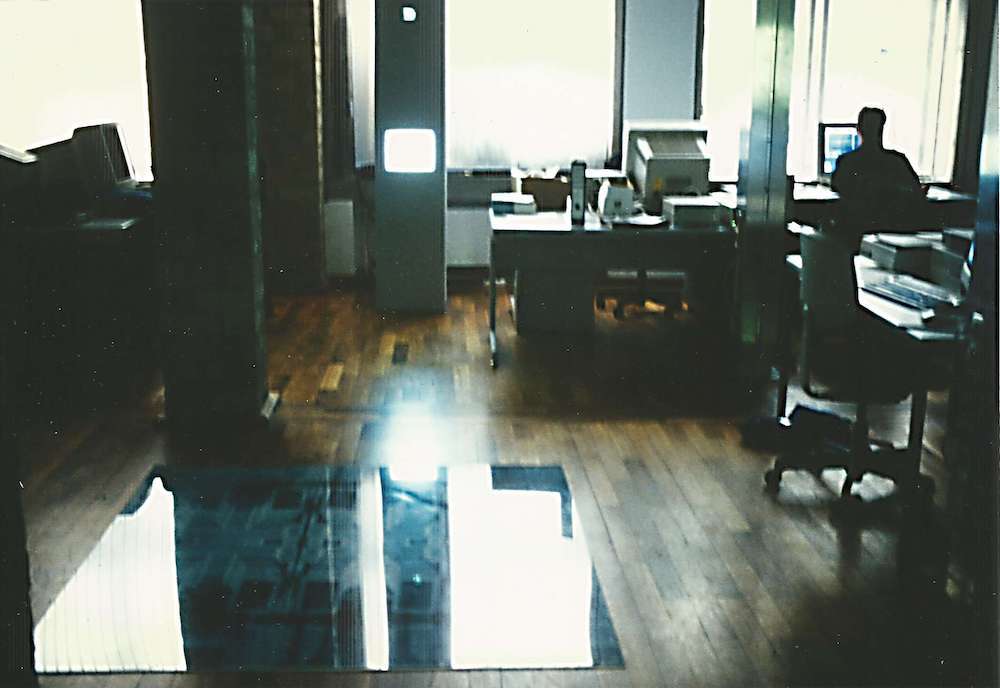
Figure 7: “All Ways – Saraswati and Strange Attractors“, multimedia installation by Rajele Jain, Cologne, 1993.
The experimental juxtapositions of Indian philosophy and the theories of media and quantum physics were staged in a variety of ways – see Fig. 8, for example. Additional explanations can be found on my website (28).

Figure 8: “All Ways – Saraswati and Strange Attractors“, multimedia installation by Rajele Jain, Cologne, 1993.
Just as I presented my approach and preliminary research findings for discussion in various “environments” created with the technological media available to me at the time, I also hoped that relevant institutions would develop multimedia and interactive applications for practical purposes.
Yet, even today, there is still no language or teaching-and-learning application that matches the scope, aesthetic quality, dramaturgical sophistication, adaptability, or conceptual richness of a well-designed computer game. The same shortfall applies to virtual museums, virtual travel, and educational platforms of any kind. This lack of aesthetic appeal, usability and conceptual depth reflects a problem we had already identified during the pioneering years of the KHM: the absence of interdisciplinarity and cooperation among the diverse stakeholders required to craft such multimedia products — projects that fall outside the commercial entertainment industry (29).
While financing these technologies has become progressively less costly, another challenge persists: effective communication among technicians, programmers, philosophers, scientists, curators, producers, artists, authors, performers and designers. Too often, philosophers lack technical familiarity; technicians limit creative ambitions under the pretext of technological constraints; artists struggle to express their concepts to scientists and programmers; and authors clash with producers over budget-driven compromises.
By the end of the 1990s, anumana had aspired to become a fully developed multimedia interface — a tool for generating and shaping knowledge through the integration of emerging technologies. However, the commercial industry’s focus on dazzling technological spectacle, coupled with the tentative and often underdeveloped prototypes produced by some new-media artists, left little fertile ground for such ambitions. Without large-scale, well-funded interdisciplinary collaborations, art remained confined to the studio — or, more recently, the university — while commercial players retained interpretive dominance in the public sphere, where “users” mostly consume rather than truly participate in shaping the collaborative web.
It became increasingly clear that relying on technology alone to guide the search for meaning and truth was misguided. In the context of anumana, this realisation prompted a shift towards seeking alternative methods — ways of discerning relevant information, countering the flood of information, and addressing the deliberate manipulation strategies of today’s “new media”.
This marked a turning point: from actively producing technology-supported interfaces aimed at communicating content to an audience, to creating conditions that empower audiences themselves to transition from passive consumers to active participants in the pursuit of knowledge. What once carried the label “interactivity” in my projects has now evolved into what I call service, a concept that will be explained further below.
NEW STRATEGIES
Ayurveda – analog – expanded concept of art – empowered recipient – authority – nature – quantum biology – service
My shift from the immaterial digital world back to the more analogue world in the early years of the new millennium unfolded through multiple levels. My decades-long daily yoga practice continued, but I also began studying Ayurveda, the Indian “science of life”. Much of the literature available in the West struck me as superficial and poorly grounded, until I discovered the works of Dr. Vinod Verma. As early as the 1980s, Dr. Verma had begun presenting Ayurveda — understood as the science of living — in a manner that was both accessible and scientifically rigorous (see Fig. 9).

Figure 9: Titles of several scientific publication of Dr. Vinod Verma from the years 1977-1984 when she had worked in research departments in Chandigarh/India, Paris/France, Freiburg/Germany and Bethesda/USA.
With her dual doctorate in biomedicine and two decades of experience in the pharmaceutical industry in Germany, she possessed all the expertise needed to lift Ayurveda out of the haze of Western esotericism. She offered a multi-year training programme leading first to the level of “junior assistant” and then “senior assistant,” which I successfully completed. I found her teaching so compelling that it inspired me to produce my second full-length documentary film, Annapakta – One Who Can Digest Food | Yoga and Ayurveda, Science of Life (30).
Ayurveda explains in great detail the importance of lifestyle and its profound influence on thinking, feeling, and cognition. Strikingly, many of these principles align with current findings in quantum biology and medicine. After nearly forty years, this prompted me to revisit the books of N. C. Panda, whose work had anticipated many directions later taken by Western research. Remarkably, after two decades of collaboration on our joint project, I was finally able to meet him in person at his home (see the photo in Fig. 10).

Figure 10: Nrusingh Charan Panda and the author Rajele Jain in Bhubaneshwar, 2013.
The earlier exchange of faxes and letters during my installation project twenty years prior — followed by the eventual visit — reaffirmed the importance of encountering a ‘master’ in one’s own search for knowledge. For anumana, this dimension has since become indispensable.
The experience of engaging with Ayurvedic knowledge was deepened through direct work in and with nature — from cultivating a vegetable and ornamental garden to tending a forest that had remained untouched for more than twenty years. My move from Lisbon to Maria Vinagre, on Portugal’s southwest coast, brought a drastic change of environment. This shift also transformed my working methods, “naturally” — or rather, in line with Ayurvedic principles and recent findings in quantum biology.
In 2005, I undertook a multi-year project to digitise the audio and video archive of artist and aesthetics professor Bazon Brock. Using FileMaker, I systematised the material by cataloguing hundreds of recordings and equipping the database with search functions. Through this work, I was confronted not only with the full scope of artistic developments and ideas from the 1960s and 1970s, but also with Brock’s aesthetics as a method of cognition. He placed research focus squarely on the role of the viewer — the audience — insisting that without a ‘professionalisation of the audience’ there can be no meaningful results from the experience of art (31).
Although it is well known that the “expanded concept of art” introduced by Beuys and others gave far greater importance to the role of the recipient, this legacy — often invoked by so-called “interactive art” aiming to “involve” the audience — is still frequently misunderstood. The mere fact that a visitor to an interactive exhibition can press a few buttons to influence an event, or that their body data are used to manipulate processes, does not make them an ‘active’ co-creator in the original sense. At best, they become unsuspecting extras — a position comparable to that of many internet users today. This imbalance in knowledge between producers and recipients cannot serve as the foundation for a “discourse free of domination”(32) – an ideal to which anumana aspires as a basis for collaborative research and civic participation.
My intensive engagement with the works of Brock, Beuys, Filliou, and the Fluxus community, alongside Ayurvedic principles and practical work in the environment of Maria Vinagre, shaped the further development of anumana. The idea of creating an interface that could guide the recipient toward certain ‘mind-openers’ was set aside in favour of offering what might be called selfless service — a term drawn from the mythology of the Indian deity Hanuman (33). This took form on our so-called Hanuman Farm, a space including a three-hectare forest area, where the aim was to create ideal conditions for knowledge generation. These conditions include:
The opportunity to rest, to sit (or walk) undisturbed.
The possibility of physical preparation, ensuring that “the body does not interfere”, through yoga and meditation techniques.
The possibility of a symptom-free metabolism, supported by preparing food according to Ayurvedic knowledge, along with offering courses on the subject.
The opportunity for research, by designing and making accessible a library with relevant literature on art, science, and philosophy from both Western and Indian sources.
The possibility to experiment with and experience sound, in the sense of mantra theory or in light of recent quantum biological research, using analogue sound generation (34).
Aesthetic and as natural as possible design of rooms and objects.
Good air and natural light.
Furthermore, I defined the factor of “long-term” as a fundamental condition for the optimal development of anumana. This implies valuing processes that unfold over extended periods, since only such duration allows certain results to emerge. It also entails a specific understanding of the notion of practice as applied to scientific and artistic work. As Peter Sloterdijk observes:
“Practice is the oldest and most consequential form of self-referential practice: its results do not flow into external states or objects, as in working and manufacturing, but rather elaborate the practitioner himself and bring him ‘into form’ as a subject-that-can. The result of practice shows in the current ‘condition’, that is, in the practitioner’s state of ability. Depending on the context, this is described as habitus, virtue, virtuosity, competence, excellence or fitness.”(35)
On the other hand, time can also be extended by filling it with less. This leads to my current experimental setup, which follows the tradition of the Indian Forest Academy (36). It involves designating a specific area of forest to concentrate on a single sentence or thought for an entire day (or other chosen duration), either with others or, if no one is available, alone. In solitary practice, the figure of the master inevitably reappears. I would therefore like to explain this principle in more detail.
By ‘master’, I mean a person whose life and work I find exemplary, a source of inspiration that points towards something higher or more true. This can be understood both literally and figuratively. While some figures are widely recognised as masters, it is equally valid for an individual to discern mastery in someone less visible, even absent from history books (37). In Vedic philosophy, mastery is not restricted to persons: a master can also be a question, an experience, or a theme to which one dedicates sustained investigation.
The basic principle remains constant: facing a master means encountering what one cannot yet do, know, or possess — whether in terms of talent, insight, experience, or sensitivity. In the Indian guru-shishya tradition, this constellation represents the ideal condition for knowledge transfer, as described in the Guru Veda. Unlike the Western master-disciple relationship, the Indian guru is not the origin of knowledge but rather a medium, an interface, through which knowledge is transmitted. This becomes possible once the guru has prepared the disciple to be receptive, to recognise “the truth” without falling prey to deception, delusion, or inner obstacles to freedom.
The guru is therefore not the possessor of truth or knowledge, but rather the interface to its realisation. For this reason, a genuine guru will not proclaim “truths” in a dogmatic or authoritative way. Instead, the teachings we find in their recordings or instructions are best understood as preparatory exercises —methods for cultivating our cognitive capacities so that we remain receptive and critical when we encounter something genuinely new, rather than failing to perceive it at all.
This hope for the new is also echoed in descriptions of technological interfaces, which are often said to offer ‘new experiences’. Yet if we consider the narrow bandwidth of our human sensory perception. — for example, the limited frequency ranges within which we can hear or see (Fig. 11) — we must ask ourselves: in what sense, or to what extent, can technological interfaces truly deliver something new? If our perception already recognises so little of the world’s spectrum, what kind of novelty can technology promise within those limits?

Figure 11: The human visible spectrum (same applies to the range of human hearing).
The method of ‘play’ is, of course, a valid means of challenging our perceptual habits — provided it does not claim more than to reveal their influenceability and unreliability. According to yoga psychology, however, physical experiences facilitated by ‘virtual reality’ applications or immersive environments can just as easily occur through pure imagination. N.C. Panda describes this internal mode of constructing thought as follows:
“A ghost may not exist. In spite of the fact of the non-existence of a ghost, we get a verbal knowledge about it by listening to ghost stories and reading books on ghosts. We get a picture of the ghost with all the details of its height, colour, head, face, teeth, tongue, arms, legs, nails, etc.. We also learn the malevolent nature of the ghost. All these informations are printed in our citta. These impressions that are stored in citta come to surface and phenomenalise, at some time opportune for the phenomenalisation. A ghandarva may not exist; a ghost may not exist. But the vikalpa on such objects that are devoid of objectivity (there is no real object corresponding to the concept) causes fluctuations in the citta.”(38)
The mere act of imagining something can affect our physical state. In this way, the kind of physical experience one might have in a Second Life environment —where the body is extended through an avatar — can equally arise by simply standing still, slowly raising both arms, and imagining them to be fifty metres long (39).
Critical questioning of the means by which insights are developed and goals for action defined remains as urgent as ever. Increasingly, it appears that it is not the technologists who possess — or are capable of developing — the means for a truthful understanding of the whole.
However, the alternative — the belief that a human being can never encounter universal truth — is, to me, equally unacceptable and ultimately illogical. As long as we recognise that a person is part of something greater, that they are not alone, then an interface exists—a possibility of access. Discovering this, or at least contributing to its development, is the intention behind anumana. This pursuit should be taken up once more, with a fresh start and expanded possibilities.
WAITING: STARTING ANEW
neuroplasticity – re-wiring – attention manipulation – filter bubbles – truthful speaking – non-domination communication – criticism ability
A well-known method of human cognition appears in Indian meditation practice: neti-neti — a method of exclusion in which, in the search for truth, every arising thought or idea is met with the response: ‘not this, not that.’ Regardless of the meditation technique used, regular practice is known to sharpen one’s critical faculties, as it cultivates the ability not to be swayed by one’s own thoughts and emotions. One explanation for the impact of meditation is the following:
“Meditation is not about quieting the mind. Nor is it about training the mind to only think good or spiritual thoughts. Meditation, properly understood, is about transforming our relationship to the mind. It’s about cultivating the ability to disengage from the mind, to no longer identify with the mind, so that we can discern and discriminate which thoughts are worth listening to and acting on, and which ones aren’t.”(40)
Elaborating on the notion of interface, the author continues:
“As part of an interface, the idea of capturing the ‘evolutionary needs of the moment’ seems to be a desirable capability: we also find an unprecedented ability to be present in a way that most of us have never experienced. And in this powerful presence, we become a finely tuned receptive instrument that can sense into the deeper needs and feelings of those around us, and into what we might call the evolutionary needs of the moment. We can feel it with our being. And this enables us spontaneously discern the path of positive action in a way that transcends mere cognition.”(41)
Some biologists have been researching whether and how the findings of quantum physics can be implemented in the field of biology. Their theories might not yet be considered (scientifically) proven, but they converge with Indian ideas about how the brain works in remarkable ways. Certain key findings about neuroplasticity and the brain’s ability to rewire itself mark a clear departure from conventional neurophysiology — as I studied it — which holds that the human brain remains largely static after reaching adulthood and simply declines with age. In contrast, these new theories offer the promise of healing trauma, enhancing cognitive abilities, transforming limiting habits, and improving overall well-being (42).
As one might expect, there is also a darker side to these developments, with fantasies of ‘social engineering’ and similar ambitions. This makes it all the more important to develop the ability to recognise the potential dangers of new technologies — much like the learning objective of ‘media literacy’ some fifty years ago, when school lessons included comparing how different newspapers reported the same event.
When texts or other outputs generated by so-called AI technologies are used to clarify issues of general interest — yet the underlying resources and strategies (the ‘algorithms’) used to produce them remain opaque, or more crucially, when it is unclear which sources were excluded and why — this violates fundamental principles of truthful communication. Such opacity undermines the very possibility of a just, rational, and socially responsible world, which has long been the declared aim of political decision-makers, regardless of the system of government.
At the same time, the vision of eventually having all prior human knowledge available in digital form — and making it accessible to Artificial Intelligence (A.I.) — naturally gives rise to a previously inconceivable scenario: one in which new combinations or patterns might emerge that are currently beyond the reach of researchers, simply because the existing knowledge base is too vast and fragmented. Until such a comprehensive resource exists, however, A.I. remains of limited value as a tool for anumana, since its outputs cannot be verified in terms of their sources. In his commentary on the Hanuman Chalisa (a Vedic text that describes the principle of Hanuman) Devdutt Pattanaik explains the concept of ‘infinite knowledge’, which differs significantly from its Western interpretation (43).
The same applies to the new possibilities for manipulation that have emerged from the findings of the ‘new sciences’. By understanding these developments, we also gain the ability to recognise and critique them — to free ourselves from their influence or, where appropriate, use them constructively. As great as the early euphoria surrounding immaterial and virtual technologies once was, our capacity for critical reflection does not appear to have kept pace. While media artists have produced powerful critiques of social conditions using advanced technologies, fascination with the ability to mix and connect data across systems still seems to dominate. The technologies themselves — how they function, how they are applied, and how they are designed — are rarely, if ever, subjected to serious questioning.
If the large-scale manipulation of attention — currently attempted and often achieved through social media and other media channels — is combined with insights from brain rewiring and neuroplasticity, both of which are also seen as forms of interface technology, then a well-grounded practice of media criticism becomes essential for the preservation — or realisation — of individual maturity.
It will not only be the “usual” sensational and scandalous news that attracts the most attention, or the manipulation that is already taking place through the so-called ‘filter bubbles’ – which use the enticing concept of user-defined preferences for news topics or similar to trick the recipient into believing that they are “informed”, while all information that would go against these preferences is by definition hidden. According to a study by physicians Michael Reilly, MD, and Amir Hakimi, MD, even the well-known mania for selfies with image filters, in combination with self-beautification through Botox injections, means that people can no longer read each other’s facial expressions correctly, further skewing their perception of reality:
“The embodiment theory states that the processing of emotional information, such as facial expressions, includes reproducing the same emotions on one’s own face. For example, when we observe a smile, our faces tend to smile in an automatic and often imperceptible way as we try to make sense of that expression. Therefore, if one or both members of a two-person interaction are dealing with an altered ability to make facial expressions, the non-verbal communication between those two parties will be impacted and understanding one another may be more difficult.”(44)
For anumana, the obviousness of the possibilities for manipulation by media technologies listed so far provides the justification for moving to the other side by attempting to develop into an interface that is capable of detecting such manipulation strategies. For truthful speech is possible, and as long as someone on this planet upholds this demand, it also exists. The literary scholar Ruth Klüger, a Holocaust surviver, states this very impressively:
“I proceed from the assumption that truthful speech is the glue and cement of all social communication; the possible, if not the usual.. The entire fabric of our interactions, including written communication, begins to collapse the moment we abandon this premise.”(45)
As explained in the introduction to Klüger’s text, truthful speech “has its precondition in the connection of the self of language with the self in the body, which undergoes experiences and is exposed to suffering”(46). Accordingly, the recipient must possess the ability to recognise the truthfulness of such speech — that is, they must have physically experienced what it means to speak truthfully, and to witness another speaking truthfully.
Unlike interfaces designed to enable ‘new experiences’ or to escape human control, anumana — the interface developed here — aims to foster advanced critical skills in engaging with digital data. It does so by offering a form of service that integrates the various aspects discussed throughout this text. As part of my biography, anumana functions as an interface for myself, even as I work to make this service accessible to others. A planned long-term experiment will demonstrate the effectiveness of this approach.
Video 2: Forest Academy #1
REFERENCES AND NOTES
1. Anja Tippner and Christopher F Laferl, eds., Texte zur Theorie der Biographie und Autobiographie (Stuttgart: Reclam, 2016). Own trans. of quote.
BACK
2. Pierre Bourdieu, Praktische Vernunft: Zur Theorie des Handelns, trans. H Beister (Frankfurt am Main: Suhrkamp, 1998) p. 76. First published in 1994, as Raisons Pratiques. Own trans. of quote.
BACK
3. Mikhail Bakhtin, “Die Antike Biographie und Autobiographie”, in Texte zur Theorie der Biographie und Autobiographie (Stuttgart: Reclam, 1998) p.112.
BACK
4. Nrusingh C Panda, Mind & Supermind Vol. I (New Delhi: D. K. Printworld, 1996) p. 140.
BACK
5. Bakhtin (1998) p. 104 [3.]
BACK
6. Nancy K Miller, “Gender and the Subjects of Autobiography”, in Texte zur Theorie der Biographie und Autobiographie, ed. Anja Tippner & Christopher Laferl (Stuttgart: De Gruyter, 1998) p. 281.
BACK
7. Miller (1998) p. 285. [14.]
BACK
8. Ibid.
BACK
9. I was also supported in this by my mother’s research findings in her book Weak-minded Gender or Symbolon? Reflections on the Relationship between Philosophy and Feminism (own trans to English) where she points out that it is not only the “ability to think” that makes an intelligent person, “but also the freedom to apply this thinking. Kant recognised this fact, but he did not apply his findings to women”. Elenor Jain, Schwachsinniges Geschlecht oder Symbolon? Reflexionen zum Verhältnis von Philosophie und Feminismus (Sankt Augustin: Academia‑Verlag Richarz, 1989) p. 88.
BACK
10. Robert Filliou, Teaching and Learning as Performing Arts (Köln [Cologne]: Verlag Gebrüder König, 1970) p. 221.
BACK
11. Lutz Geldsetzer, “Jakob Friedrich Fries’ Stellung in der Philosophiegeschichte” (“Jakob Friedrich Fries’ Position in the History of Philosophy”, own trans to English). Retrieved from <https://wwwalt.phil.hhu.de/philo/geldsetzer/homepag6.html>, accessed December 2025.
BACK
12. I had to correct my opinion, however, because Prof. Geldsetzer actually gave extensive lectures on “Transcultural Philosophy” in later years, see <https://wwwalt.phil.hhu.de/philo/geldsetzer>, accessed December 2025.
BACK
13. The theory and definition of Sanskrit is multifaceted. Etymologically, its name connotes a work that has been “well prepared, pure and perfect, polished, sacred” – Will Durant, Our Oriental Heritage (New York: Simon & Schuster, 1963), p.406. First published in 1935. Of particular interest in our context is the aspect that this language is said to utilise all possibilities of the human voice to generate sound, thereby becoming an universal language. This raises the idea that the meaning of a word or text can be understood by concentrating on its sound. This is also one of the reasons for the meaning of so-called ‘mantras’.
BACK
14. A Sriram and R Sriram, Vedic Chant & Yogasutra of Patanjali (self-published, n.d).
BACK
15. A Sriram and R Sriram, Natya Yoga: Peace Passion Pain: Mapping Emotions (Delhi: Motilal Banarsidass Publishing House, 2023).
BACK
16. The direct student, yoga teacher and researcher R. Sriram has clearly explained how breathing can influence our ability to think, in a book whose title translates as The Secret of Breathing. R. Sriram, Das Geheimnis des Atems (Freiburg: Verlag Herder, 2021).
BACK
17. A term from Buddhist meditation practice that describes a lack of control in one’s thoughts.
BACK
18. An ashram is a place where one strives towards a goal in a disciplined manner. Such a goal could be ascetic, spiritual, yogic or any other.
BACK
19. For example, see how the 352 verses from Guru Gita are translated and commented by Swami Narayanananda. This is verse 270: “The clever, the able, the discriminative, the pure, the knower of the Truths of the spiritual science, the one whose heart is pure, he is really the Guru. His Gurutva (the state of a Guru) shines, not of others. / Notes: Just as it is difficult to find a true disciple, so also it is equally hard to find a really qualified Guru.” Retrieved from Swami Narayanananda, Sri Guru Gita: Translation and Commentary (Rishikesh: Yoga Niketan Trust, n.d.), <https://gurudevsivananda.org/Sri-Guru-Gita-By-Swami-Narayanananda.pdf>, accessed December 2025.
BACK
20. Thus the title of my film: The Nine Movements of the Eyelid (2008). It is available at <https://vimeo.com/1094171780?share=copy#t=0>, accessed December 2025.
BACK
21. See the comprehensive publications by Bazon Brock, e.g. at <https://bazonbrock.de/werke/detail/?id=3965§id=3667>, accessed December 2025.
BACK
22. Rajele Jain, Lehren und Lernen als Aufführungskünste. Künstler als Beispielgeber nach Robert Filliou, doctoral thesis (Wuppertal: 2017). Translation: Teaching and Learning as Performing Arts: Artists as Example Givers after Robert Filliou.
BACK
23. More information at <http://www.rajele.net>, accessed December 2025.
BACK
24. Bazon Brock, “Theorie der Avantgarde”, in Kunst und Gesellschaft, Grenzen der Kunst, ed. Heinrich Klotz (Munich: C. Bertelsmann, 1980) p. 102. Own trans. of quote.
BACK
25. Like Abraham Moles, Achim Lipp, Alfred Biolek, Laurie Anderson, Bernd Girod, Bernd Kracke, Dominik Graf/Peter Brinkmann, Fabrizio Plessi, Gunter Rambow, Hannes Hoff, Hartmut Jürgens, Herbert W. Franke, Ingo Günther, Jeffrey Shaw, Jody Burns, John Sanborn, Jörg Gutjahr, Vilém Flusser, José Encarnação, Jürgen Claus, Ludwig Wilding, Martin Potthof, Matthias Kron/Heiko Idenson, Wolfgang Menge, Horst Königstein, Michael Pfleghar, Michael Rutschky, Patrick Purcell, Peter Kolb, Peter Weibel, Rene Berger, Siegfried Zielinski, Titus Leber, Volker Beckmann, Wolf Donner – I was able to videograph them in the first three months of the KHM. I used the material to produce various works, such as the video installation Erstes Kapitel (Cologne 1992), the interactive DVD Analogischer Alpinismus (Cologne 2000) or the performance Archaeology of New Media (Lisbon 2015) included in the project Posthuman Corporealities, following an invitation by Isabel Valverde.
BACK
26. Nrusingh C Panda, Maya in Physics (Delhi: Motilal Banarsidass, 1991).
BACK
27. “A temple is a characteristic artistic expression of the hinduism and the center of the social and spiritual life of the society whom it is serving.” – a quote from Georg Michell, Der Hindutempel: Baukunst einer Weltreligion (Köln: DuMont, 1991). First published in 1977 as The Hindu Temple: An Introduction to Its Meaning and Forms.
BACK
28. See <http://rajele.net/all_ways_descr.html>, accessed December 2025.
BACK
29. The experience gained from interdisciplinary projects such as Black Mountain College, Monte Verita, Tagore’s Shantiniketan, etc. had, however, made ground-breaking work possible long time ago, without being continued as such.
BACK
30. This film can be viewed at https://vimeo.com/742760179, accessed December 2025.
BACK
31. Cf. Brock’s concept of the “Besucherschule” (“Visitor School”), a unique method to guide visitors through art exhibitions by making the content relevant to them.
BACK
32. “Discourse free of domination” is an important idea in Jürgen Habermas, Theorie des Kommunikativen Handelns (Frankfurt/Main: Suhrkamp, 1981), where the philosopher examines which conditions must prevail so that people can speak “truthfully” among themselves, and thus “optimally rationally”.
BACK
33. In Wikipedia one can read: “Subsequent literature has occasionally depicted him as the patron deity of martial arts, meditation, and scholarly pursuits (…) symbolising a connection with both the physical and the cosmic elements”. Retrieved from <https://en.wikipedia.org/wiki/Hanuman>, accessed December 2025. A very deep and helpful explanation of the principle of Hanuman can be found in Devdutt Pattanaik, My Hanuman Chalisa (New Delhi: Rupa Publications, 2017).
BACK
34. A technique of knowledge generation according to Indian philosophy is Vedadhyayanam or Vedic Chant: “the recitation of the texts is learned in order to come closer to the meaning of the word through the sound” (Sriram, …) Furthermore, the influence of sound frequencies and waves of Indian ragas on human perception is described . Both methods are to be experimented within the anumana concept by using the sound instrument developed at Hanuman Farm under the name Club of the Knobs, the modular, analogue synthesiser system developed by my husband Kazike, aka Gerd Peun, for the generation of corresponding frequencies and sound events. The current version, resulting from a continuous development over decades, allows for the production of universal sound events, which naturally encompass both the audible and inaudible areas of human perception.
This system was introduced as early as 2005 as an example of an interface in a book by professors at the KHM: Georg Trogemann and Jochen Viehoff, Code@Art: Eine elementare Einführung in die Programmierung als künstlerische Praktik (Vienna: Springer-Verlag, 2005) p. 137.
Also, my first experience in programming, during a course on C++, under Georg Trogemann, introduced me to the basic principles of this programming language. I still remember the feeling of ‘wonder’ that came over me when I was able to make a line candle appear on the screen using the small set of commands that I had laboriously worked out. Today’s assistance in the form of ready-made routines, which can be graphically compiled in applications such as max/msp for specific needs, is also perceived by users as ‘programming’, but the ability to write original software and master the logic of the programming language seems to me, based on my experience, to be different. Perhaps only those who can ‘hack’ are programmers.
BACK
35. Peter Sloterdijk, Scheintod im Denken: Von Philosophie und Wissenschaft als Übung (Frankfurt/Main: Suhrkamp, 2010) p. 16. Own translation of the quote.
BACK
36. Cf. Tapovana (Sanskrit) blends the root words “tapas” – meaning ‘penance’ and by extension ‘religious mortification’ and ‘austerity’, and more generally ‘spiritual practice’ – and “vana” – meaning ‘forest’ or ‘thicket’. Tapovana then translates as ‘forest of austerities or spiritual practice’ <https://en.wikipedia.org/wiki/Tapovana>, accessed December 2025.
BACK
37. I am trying to prove this thesis with my project O Museu Privado (trans. The Private Museum): it is a space in which I introduce the visitor to a master, the one I claim to be one. The possibility of an encounter arises through a sign on the street pointing to the museum. Random visitors come and see the exhibition. The guest book is a testimony to the fact that real encounters (mind-openers) have taken place.
BACK
38. Panda (1996) p. 141. [11.]
BACK
39. I experienced several times the work of Isabel Valverde and her experiments with Second Life applications and motion capturing technologies. Videos from this project, called Senses Places, can be found at <https://www.youtube.com/@isabelvalverde7416>, accessed 2025.
BACK
40. Craig Hamilton, Unlocking the Power of Meditation (Self-published,
2018) p. 12.
BACK
41. Hamilton (2018) p. 43. [40]
BACK
42. See Fleet Maull’s publications and symposia on this topic, for example at <https://www.heartmind.co/home>, accessed December 2025.
BACK
43. A quote from Devdutt Pattanaik, My Hanuman Chalisa (New Delhi: Rupa Publications, 2024) p. 14f.: “In the information age, as we move towards gathering data about everyone and everything, it is easy to assume we are moving towards infinite knowledge hence God-hood, through computers and databases. However, this data being gathered is material, not psychological. What is being measured is stimulus and its behavioural response. What is being manipulated by technology, is behaviour alone, not thought and emotions. What information is not being gathered is how the mind perceives and processes sensory stimuli. Science today is so focussed on the material, that it assumes measurable input (stimulus) and measurable output (behavioural response) is indicative of thought and emotion, and dismisses the arguments to the contrary. Reality is seen as what we do (measurable), not what we feel (not measurable). At best, doing is seen as an indicator of feeling. At worst, doing is seen as relevant while feeling is considered of no consequence. When the West speaks of an intelligence quotient or an emotional index, it derives all understanding of the mind from measuring behaviour. Measurement limits science. This distinguishes the modern discourse, and disconnects it with traditional Indian wisdom where measurement is seen as establishing a delusion (maya) of certainty.
The obsession with quotients, and indices, hence mathematics, reveals the desire to control, regulate, manipulate human behaviour. Control, in Hinduism, is an indicator of fear. The intelligent seek control: the strong have the resilience to handle the lack of control, and the knowledgeable know the futiliy of control. Hence, we ask Hanuman for strength as well as knowledge, along with intelligence.” Originally published in 2017.
BACK
44. Retrieved from <https://www.psychologytoday.com/us/blog/dissecting-plastic-surgery/201912/botox-and-emotional-expressivity>, accessed December 2025. The authors even go so far as to assume that patients treated with Botox are also changed in their feelings: “Not only does Botox affect the way others perceive one’s emotions but it can also impact the emotional experience of those who have received the injections. In one study, participants either received Botox injections or a wrinkle filler (Restylane), which does not paralyse muscles, and were instructed to watch emotional video clips. Participants who received Botox had a lower self-reported emotional response to the video clips. This finding supports something called the facial feedback hypothesis, which suggests that our facial expressions can affect our emotional experience.”
BACK
45. Ruth Klüger, “Zum Wahrheitsbegriff in der Autobiographie”, in Texte zur Theorie der Biographie und Autobiographie, ed. Anja Tippner & Christopher F. Laferl (Stuttgart: Reclam, 2016) p. 325. Own trans. of quote.
BACK
46. Klüger (2016) p.321 [45.]
BACK
ABOUT THE AUTHOR, REVIEWERS AND EDITOR
Author
Artist and filmmaker whose work spans video, performance, photography and documentary forms. Active since the early 1990s, she co-founded Vipulamati and directed the International Festival for Films on Art. Her practice engages archives, exhibition design and interdisciplinary collaboration to explore cultural memory, visual narrative and embodied media experience
Reviewers
Cultural anthropologist and professor at UC Davis whose work explores experimental ethnography, media practices and the politics of affect. His research spans sound, image and sensory experience, advancing innovative methods that bridge anthropological inquiry with interdisciplinary artistic approaches to documentary, performance and technological mediation.
Composer, researcher and educator working across electroacoustic music, interactive installations and sound spatialisation. As Associate Professor and Vice-President for Artistic Research at ESMAE, he develops projects that integrate composition, technological experimentation and performance, contributing to contemporary discourse on digital creativity and embodied musical practice.
Editor
Adriana Sá > CICANT / Lusófona University
Artist and researcher working at the intersection of sound, performance and interactive media. She investigates perception, embodiment and interface design, integrating intuitive artistic practice with rigorous research. Her work examines how interfaces can function simultaneously as expressive systems and critical tools for exploring technologically mediated experience.
Continue with LIVE INTERFACES Volume 3: